Walk into two business spaces and you can feel the difference quickly. One may feel calm and professional, another may feel busy, warm, or made for movement. That feeling does not happen by chance. It comes from planning.
Commercial spaces are designed around how people use them – an office, clinic, retail shop, restaurant, and gym all need different layouts, furniture, lighting, safety planning, and customer flow.
I always start with the business first. Not the color, not the furniture, not the wall finish. Because every commercial space has a job to do. The Lavish Interiors a leading interior design firm will help you to guide you to know about the commercial design types.
What Is Commercial Interior Design?
Think of it as planning a business space so it looks professional and works well every day.
It includes layout, furniture, lighting, materials, storage, customer movement, staff workflow, accessibility, and brand identity. A good space does not confuse people. You know where to enter, wait, sit, shop, ask, or move next. That is the real value of design.
Types of Commercial Design
Every business space needs a different kind of planning. A shop needs a product display, a clinic needs hygiene and calm, a restaurant needs mood and service flow and a bank needs privacy and trust.
So before choosing a style, understand the type of space first. The type tells you what the space must do and the style tells you how it should feel.
1. Office Interior Design
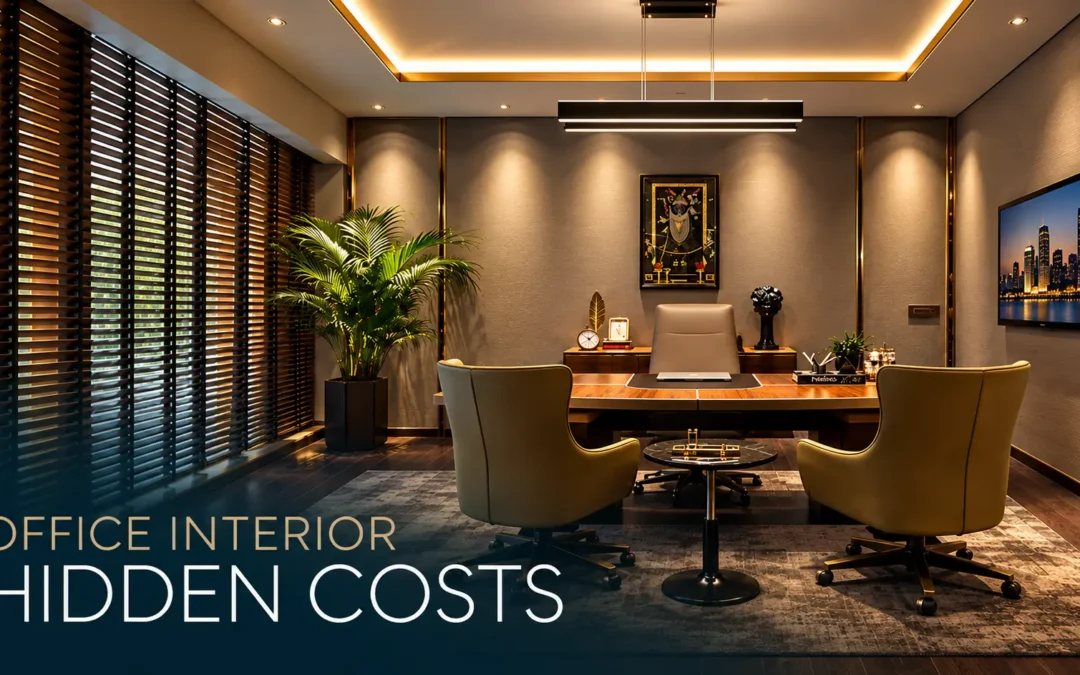
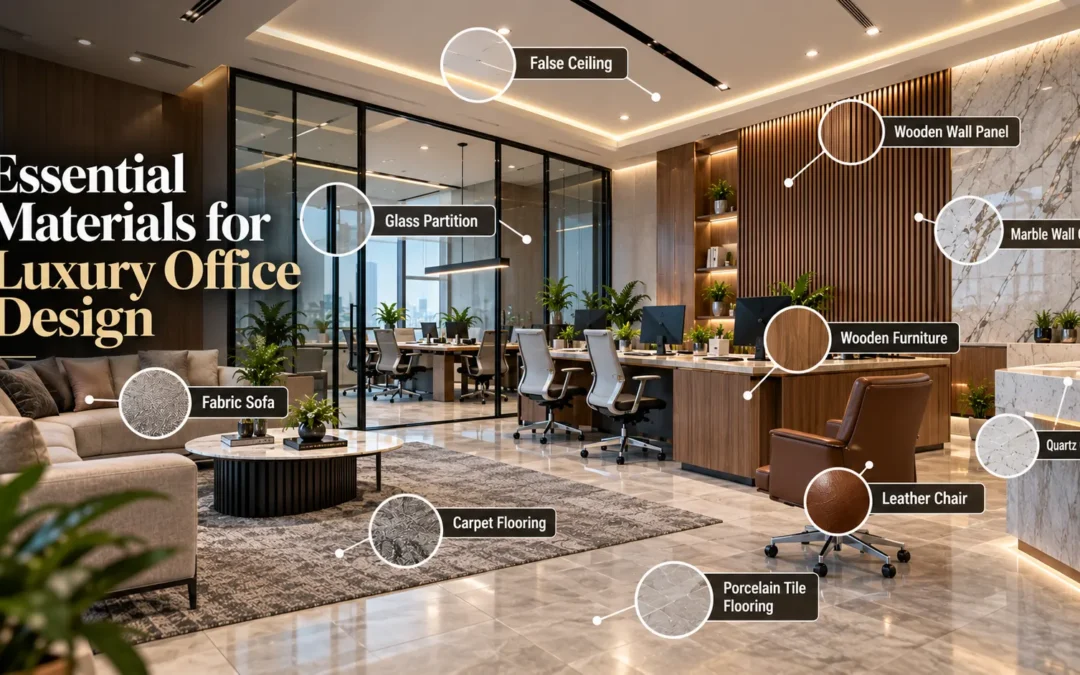
People spend long hours in offices, so the space should support focus, meetings, movement, and comfort. A modern office should not only look clean. It should help people work with less friction.
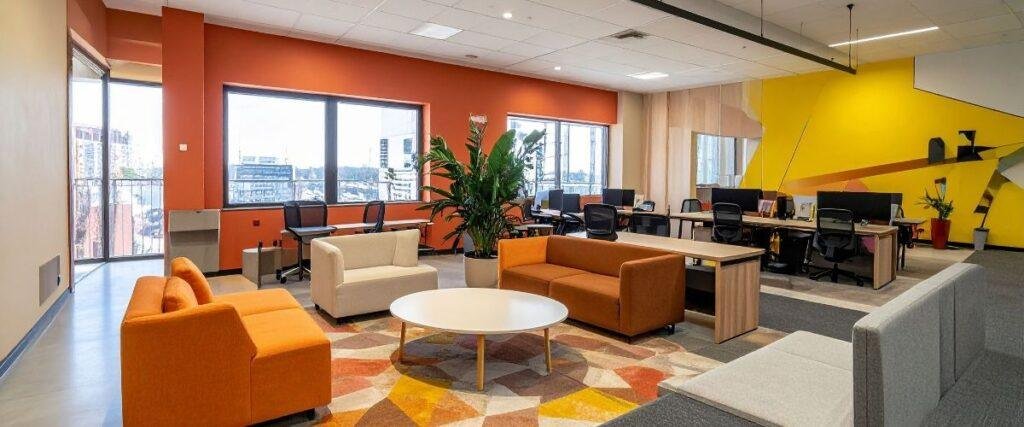
Advantages
- Supports focus and teamwork
- Improves daily comfort
- Makes the company look professional
- Helps use space better
Must-have items
- Ergonomic workstations
- Meeting rooms
- Focus zones
- Reception area
- Storage units
- Good lighting
- Acoustic control
- Cable management
2. Retail Store Interior Design
When someone walks into a shop, they should understand the space without thinking too much.
Where should they go first?
Which products matter most?
Where is the checkout?
The layout should guide customers naturally and make products easy to see.
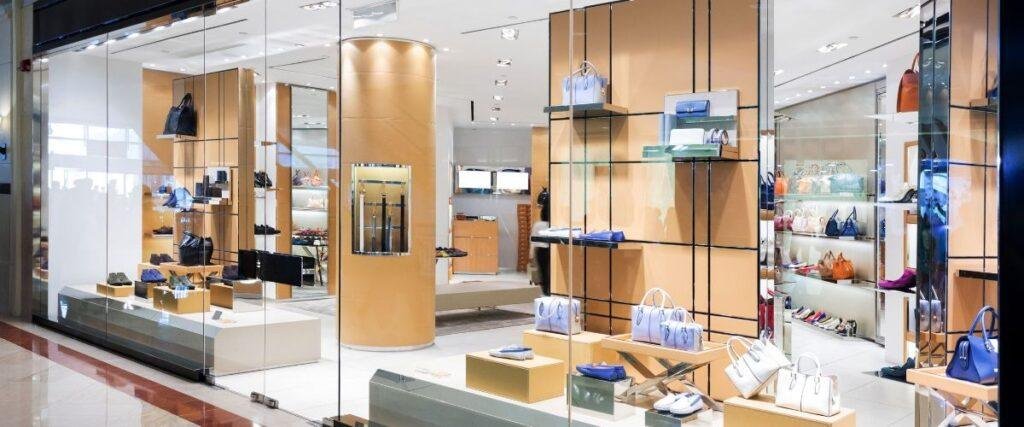
Advantages
- Improves product visibility
- Helps customer movement
- Supports brand identity
- Makes shopping easier
Must-have items
- Storefront design
- Display shelves
- Feature walls
- Product lighting
- Checkout counter
- Signage
- Storage area
- Clear walking path
3. Restaurant and Cafe Interior Design
Food matters, but people also remember how the place felt. Was the chair comfortable? Was the lighting warm? Could staff move easily? This type of restaurant design balances mood, seating, and service flow.
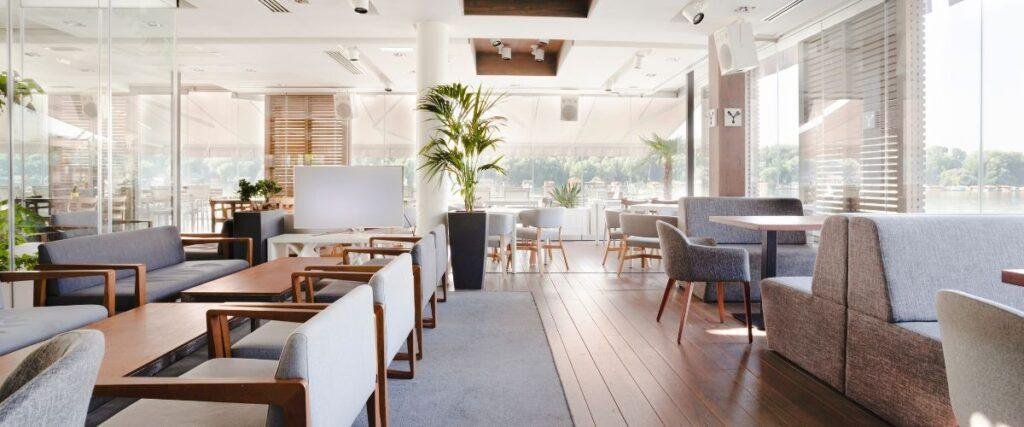
Advantages
- Creates a better dining mood
- Helps staff move safely
- Improves seating comfort
- Builds stronger brand memory
Must-have items
- Dining layout
- Comfortable seating
- Service path
- Counter or reception point
- Layered lighting
- Acoustic control
- Ventilation
- Durable flooring
4. Hotel and Hospitality Interior Design
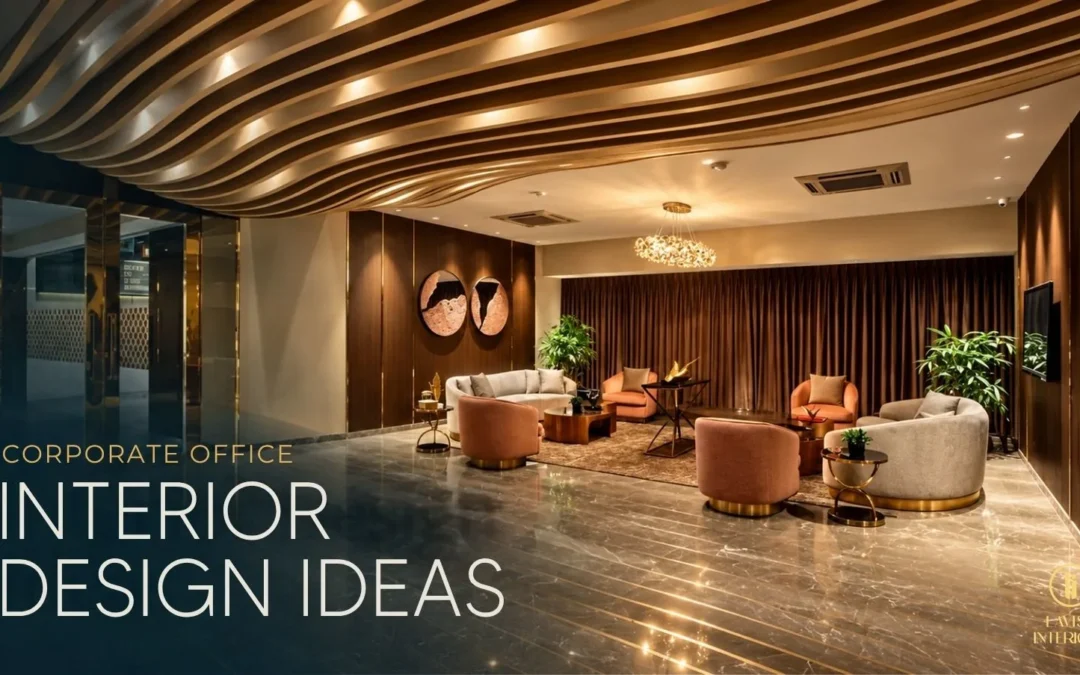
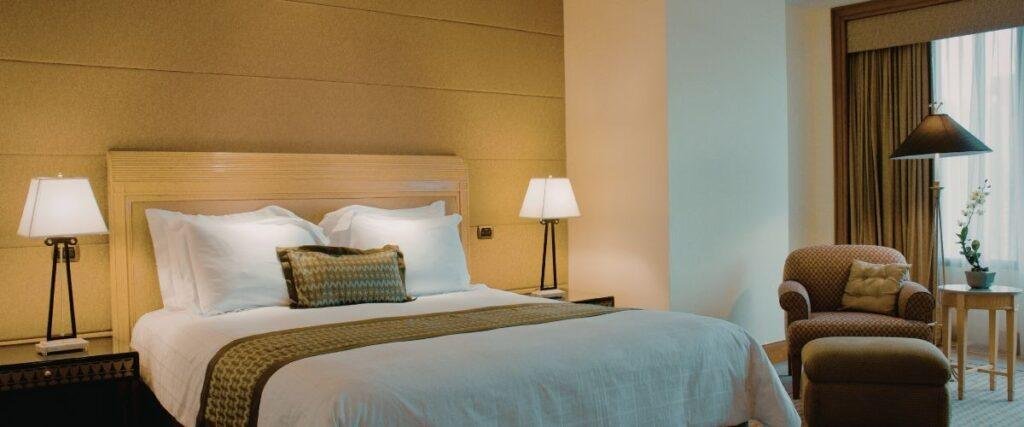
Guests judge a hotel before they reach the room.They notice the lobby, lighting, seating, signs, and how easy the space feels. Hospitality design should feel welcoming, but it also has to handle daily use from many people.
Advantages
- Creates a strong first impression
- Helps guests feel comfortable
- Supports smooth movement
- Strengthens the brand experience
Must-have items
- Reception desk
- Lobby seating
- Guest room furniture
- Wayfinding signs
- Lighting design
- Durable flooring
- Lounge areas
- Safety features
5. Healthcare and Clinic Interior Design
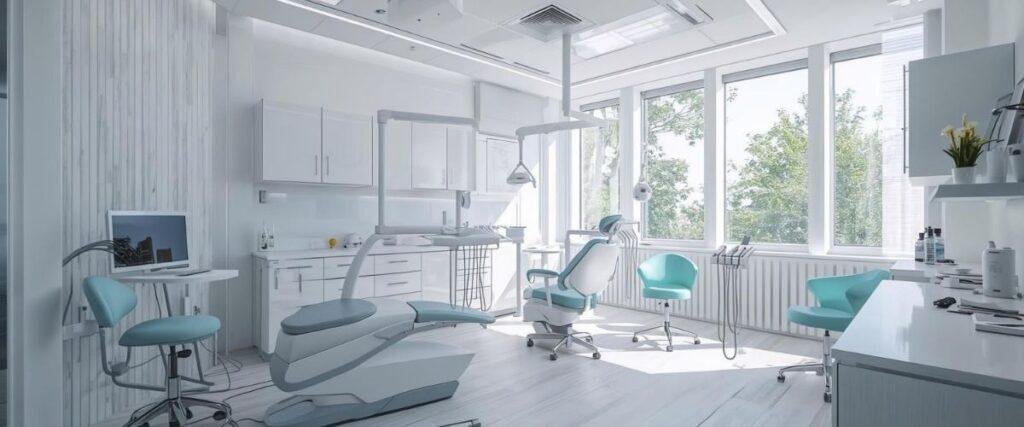
Patients often arrive with worry already in their mind. The space should not add more stress. A clinic should feel clean, calm, private, and easy to understand. Cleaning does not have to mean cold.
Advantages
- Helps patients feel calmer
- Supports staff movement
- Improves privacy
- Makes cleaning easier
- Builds trust
Must-have items
- Reception and waiting area
- Consultation rooms
- Treatment rooms
- Cleanable furniture
- Easy wayfinding
- Proper lighting
- Privacy partitions
- Medical storage
6. Educational Interior Design
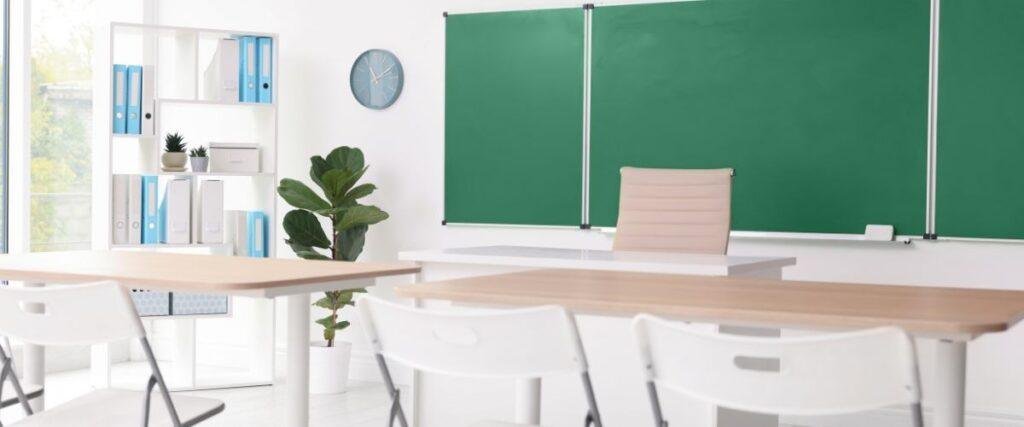
Learning spaces should help students listen, read, move, and focus. The room should not fight the teacher. Lighting, sound, seating, storage, and movement paths all affect how the space works.
Advantages
- Supports better focus
- Makes classrooms easier to manage
- Improves safe movement
- Supports different teaching styles
Must-have items
- Classroom furniture
- Teacher point
- Whiteboard or smart board
- Storage cabinets
- Good lighting
- Acoustic control
- Safe flooring
- Ventilation
7. Bank and Financial Interior Design
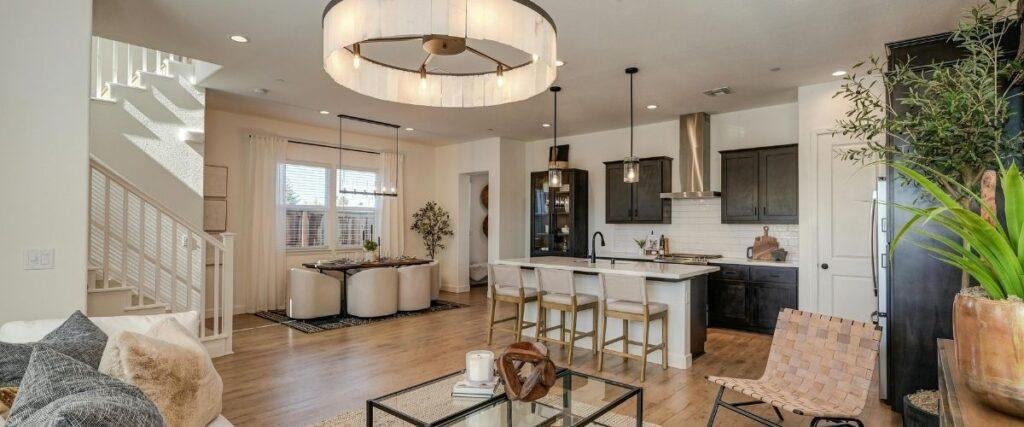
Money-related spaces need trust. People come for accounts, loans, documents, and private advice. The design should feel stable, secure, and organized. It should tell customers where to wait, ask, and speak privately.
Advantages
- Builds customer trust
- Supports secure service flow
- Makes waiting easier
- Creates a professional image
Must-have items
- Enquiry desk
- Teller counters
- Waiting area
- Private consultation rooms
- Security systems
- Queue management
- Clear signage
- Durable furniture
8. Spa, Salon, and Wellness Interior Design
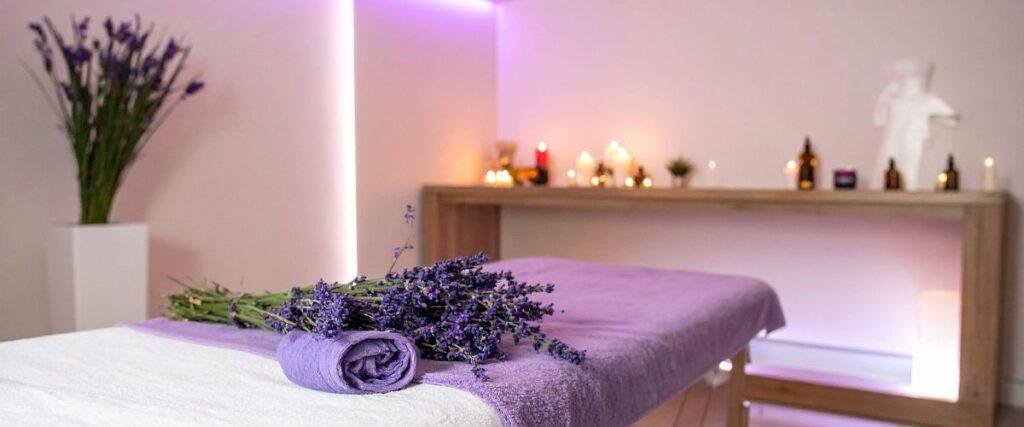
Clients come to these spaces to feel cared for. The mood matters, but beauty alone is not enough. Staff also need storage, service flow, cleaning access, and proper lighting. The space should calm the client and help the team work smoothly.
Advantages
- Creates a relaxing experience
- Supports smooth service flow
- Builds a premium feeling
- Improves comfort and privacy
Must-have items
- Reception counter
- Waiting lounge
- Treatment rooms
- Salon chairs or spa beds
- Mirrors
- Soft lighting
- Product storage
- Wash stations
9. Fitness Center and Gym Interior Design
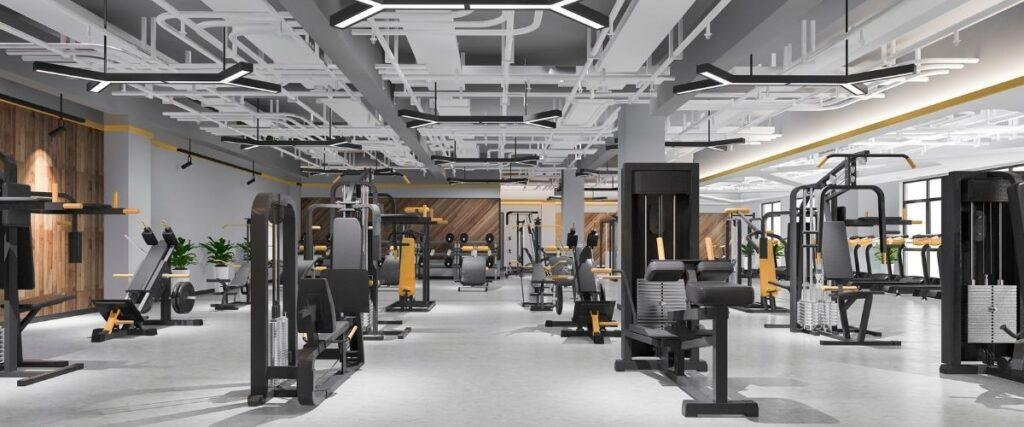
Movement comes first here. A gym should feel active, but not crowded or unsafe. People need clear zones, strong flooring, good ventilation, and enough space around equipment.
Advantages
- Makes equipment safer to use
- Improves movement
- Creates energy
- Supports different workout types
Must-have items
- Workout zones
- Equipment layout
- Rubber flooring
- Mirrors
- Lockers
- Reception desk
- Ventilation
- Safety spacing
10. Entertainment and Public Space Design
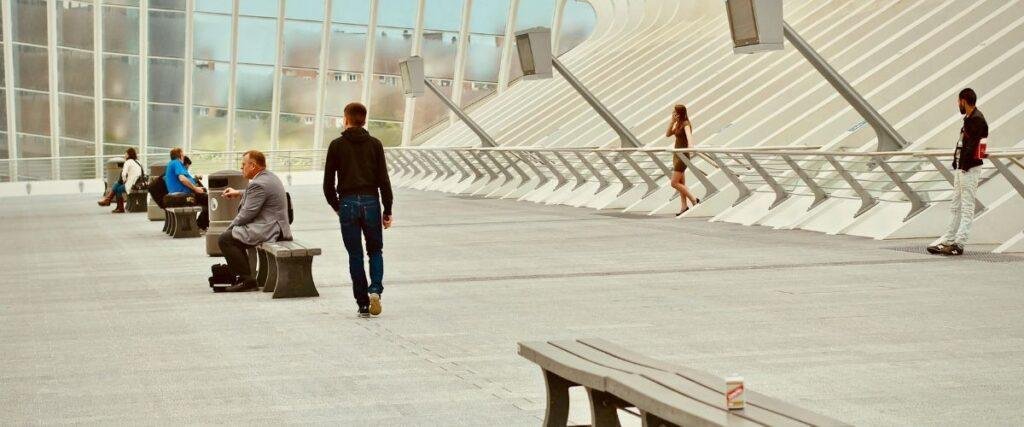
Crowd movement is a big part of this type. Cinemas, gaming cafés, event halls, theaters, and exhibition spaces need atmosphere, but they also need control.
People should know where to enter, wait, sit, exit, and get help.
Advantages
- Supports many visitors
- Improves safety and flow
- Creates a memorable mood
- Supports sound and lighting needs
Must-have items
- Seating layout
- Lighting control
- Acoustic planning
- Entry and exit paths
- Reception or ticket counter
- Safety signs
- Durable flooring
- AV equipment
12. Showroom Interior Design
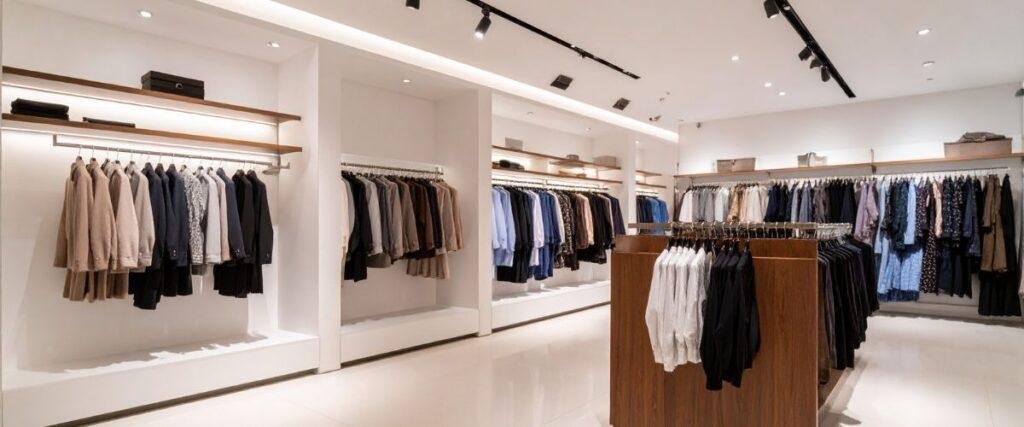
A showroom is not the same as a normal retail shop. People often come to compare, ask questions, check materials, and imagine products in real use. The space should slow them down in a good way.
Advantages
- Makes products easier to compare
- Builds trust
- Supports guided selling
- Creates a strong brand impression
Must-have items
- Display zones
- Feature display
- Consultation table
- Product lighting
- Sample storage
- Clear walking path
- Brand wall
- Digital display
13. Commercial Kitchen and Cloud Kitchen Design
Function matters more than decoration here. Food preparation spaces need speed, hygiene, safety, storage, and smooth staff movement. Beacuse, pretty can wait. Flow cannot.
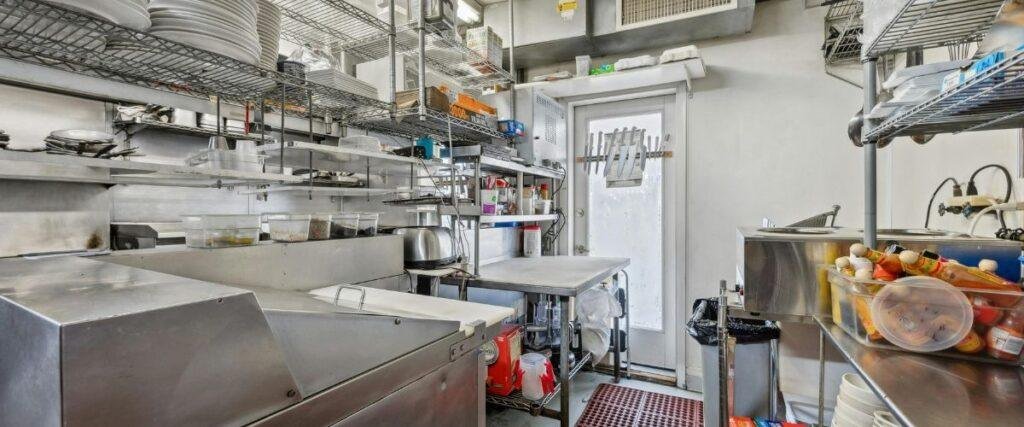
Advantages
- Helps staff work faster
- Supports hygiene
- Improves delivery flow
- Reduces crowding
Must-have items
- Preparation counters
- Cooking line
- Washing area
- Cold storage
- Dry storage
- Packing station
- Non-slip flooring
- Ventilation system
Design Types vs Design Styles
This is where many people get confused. A design type is based on business use and a style is based on visual feeling.
For Example –
An office, clinic, restaurant, hotel, or retail shop is a type.
And minimalist, industrial, luxury, modern, and biophilic are styles.
You can use one style in many types of commercial spaces. More clearly, a clinic can be minimalist, a cafe can be industrial and a hotel lobby can feel luxurious.
Common Mistakes to Avoid
Many mistakes happen because people fall in love with the look too early. A beautiful reference image can help, but your business space has to work after the first impression fades.
Avoid these mistakes
- Copying another business design
- Ignoring customer movement
- Choosing weak materials
- Poor lighting
- Forgetting storage
- Ignoring staff workflow
- Ignoring accessibility
- Using style without purpose
- Not planning future growth
Final Thoughts
A beautiful space may attract attention, but a well-designed commercial interior improves efficiency, enhances customer experience, strengthens your brand, and supports long-term business success.
This is why every commercial project starts with understanding the business first. We The Lavish Interiors study how people move, where they interact, what they need, and how the environment can support those activities.